

A digital business card is becoming the new standard for networking, but its history goes back hundreds of years. Almost every entrepreneur, freelancer, or company has their business card ready to hand over. However, few people stop to think about how long a journey business cards have gone through and how they evolved from a […]
A digital business card is becoming the new standard for networking, but its history goes back hundreds of years. Almost every entrepreneur, freelancer, or company has their business card ready to hand over. However, few people stop to think about how long a journey business cards have gone through and how they evolved from a simple social tool into a modern digital solution.
The history of business cards is also a story of how the way we present ourselves has changed. From handwritten cards to a digital business card on a mobile phone, it is an evolution that closely reflects the development of society, technology, and business.
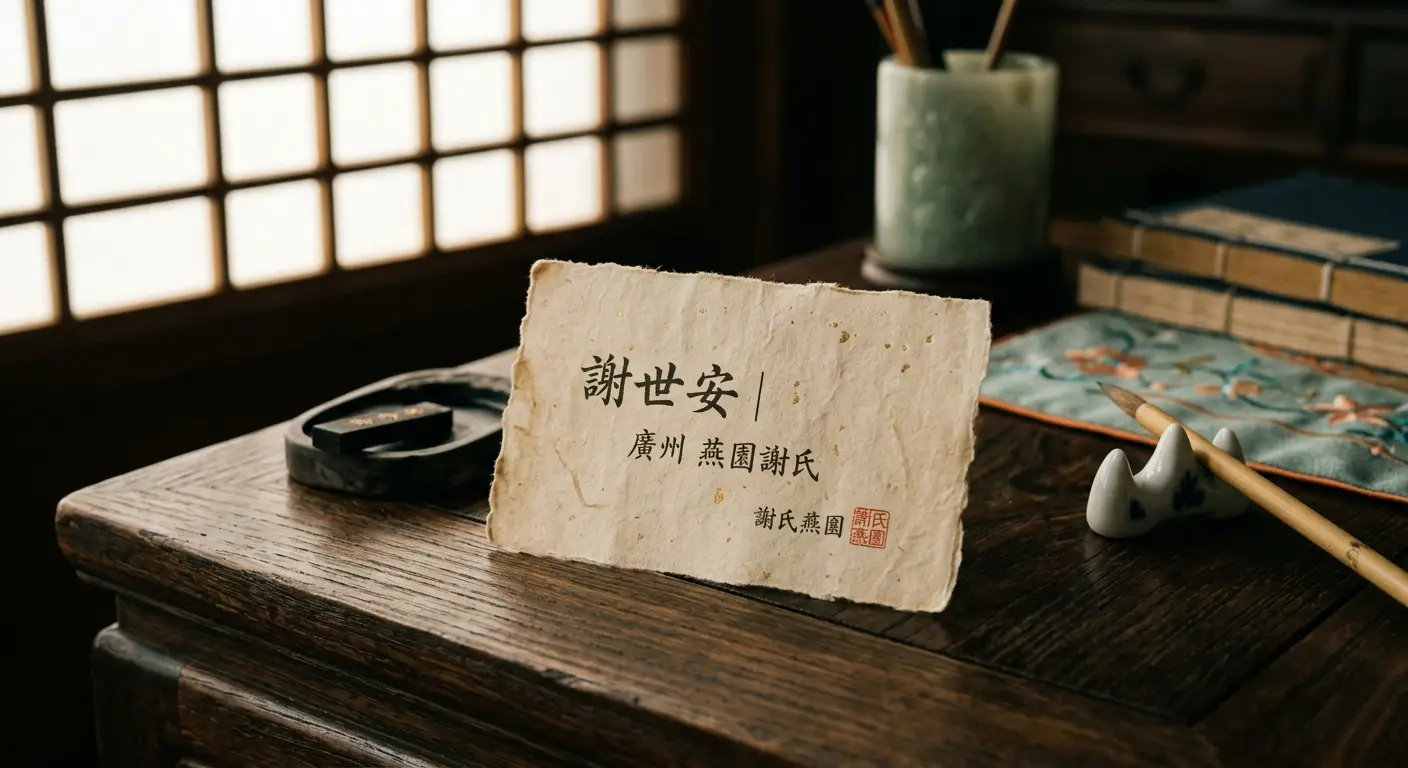
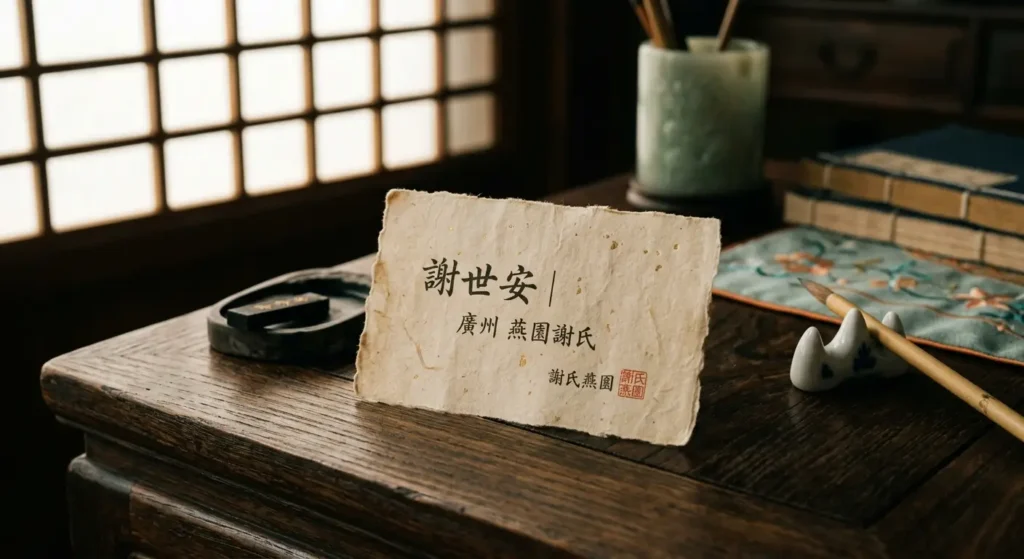
The very first business cards appeared as early as the 15th century in China. However, these were not business cards in the modern sense of the word, but rather formal announcements of a visit. They were mainly used by members of higher social classes who wanted to make their arrival known or request a meeting.
These first “business cards” were made by hand and were often written in calligraphy on high-quality paper or silk. They included a name, title, and sometimes even the reason for the visit. Even at that time, however, they served the same purpose as today’s business card – they represented a person and created a first impression.
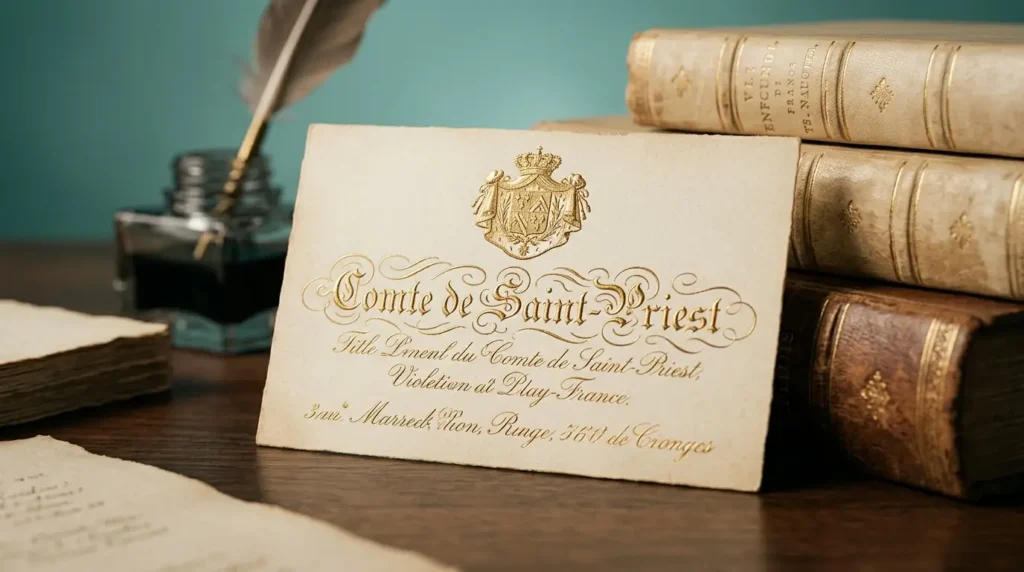
In the 17th and 18th centuries, business cards made their way to Europe, especially to France and England, where they came to be known as “visiting cards.” At that time, they were no longer just about information, but also about social status.
Business cards were often decorated, featured ornaments and family crests, and were used during visits, social gatherings, and formal occasions. Their quality, design, and craftsmanship reflected the owner’s status. The more luxurious the business card, the higher the position in society.
Business cards thus became not only a practical tool, but also part of identity and representation.
With the arrival of the Industrial Revolution and the development of printing technologies, business cards became more accessible to wider groups of people. In the 19th century, visiting cards gradually evolved into classic business cards, which started to be used by merchants, craftsmen, and entrepreneurs.
Business cards were no longer only about social status, but began to serve a practical function in business. They included a name, profession, address, and contact details. Printing made their mass production possible, turning business cards into a standard tool for presentation and networking.
Materials were simplified to paper and cardboard, but the emphasis on design and readability remained.
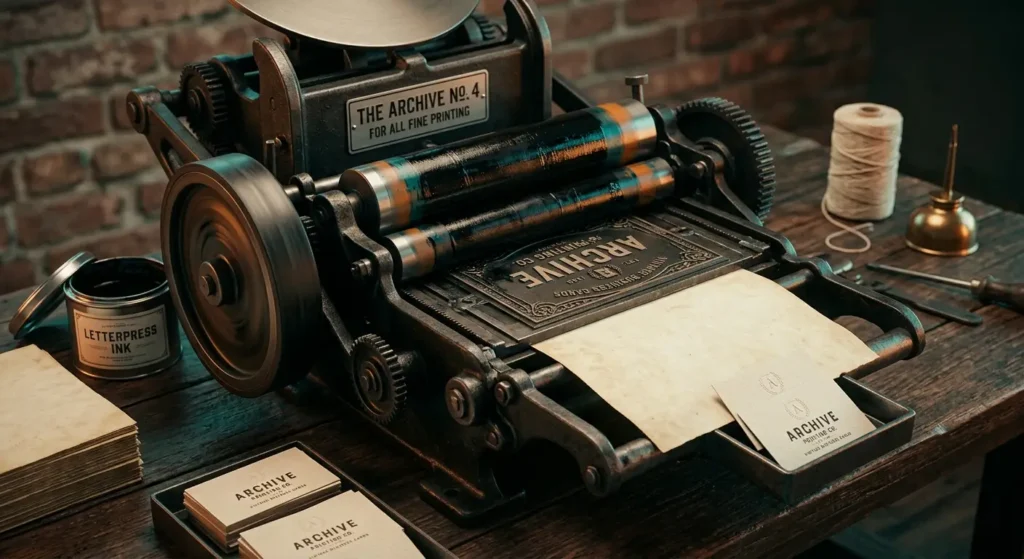
In the 20th century, the paper business card became the standard that has lasted until today. Every entrepreneur, company, or employee had their business card ready to hand over during a meeting.
Business cards were designed with an emphasis on simplicity and clarity. They contained a logo, name, position, and contact details. Over time, different types of paper, lamination, special surface finishes, and embossed printing began to be used to make the business card look more professional.
Despite various design improvements, the basic principle remained the same – a physical card that must be handed over in person.
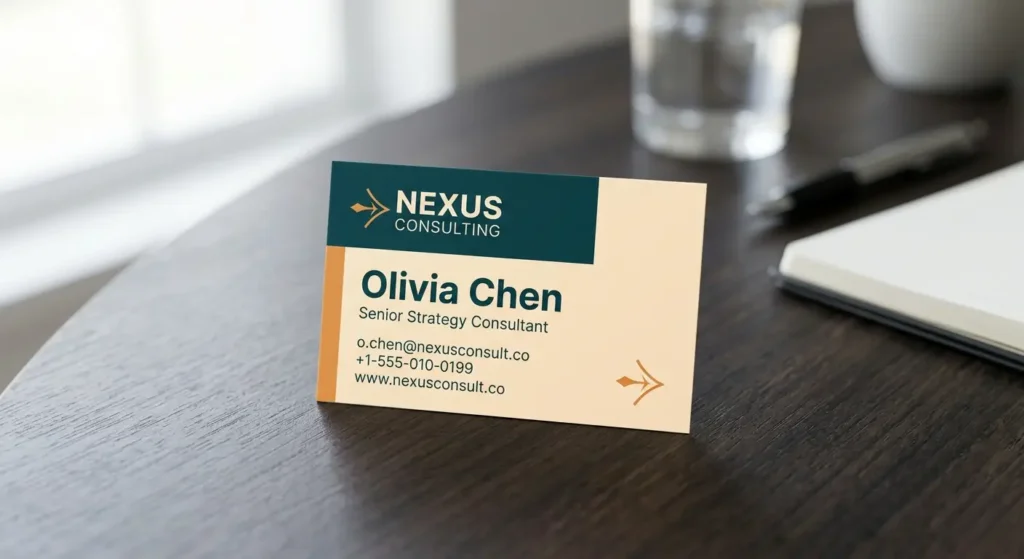
A paper business card may still look professional, but in the digital world it is starting to fall behind. The information on it is static, cannot be updated, and often contains only a minimum amount of data.
If you change your phone number, email, or job position, you need to have new business cards printed. In addition, business cards are easy to lose or they get buried among others, and their real impact is often zero.
A paper business card is therefore no longer able to meet the demands of modern business, where flexibility, up-to-date information, and the ability to quickly share information are important.
With the arrival of smartphones and digital technologies, a new form of presentation appeared – the digital business card. It is no longer just a static card, but a dynamic profile that you can edit at any time.
A digital business card allows you to keep all your information in one place and share it instantly. Instead of one small card, you have a complete online profile that contains everything important about you or your company.
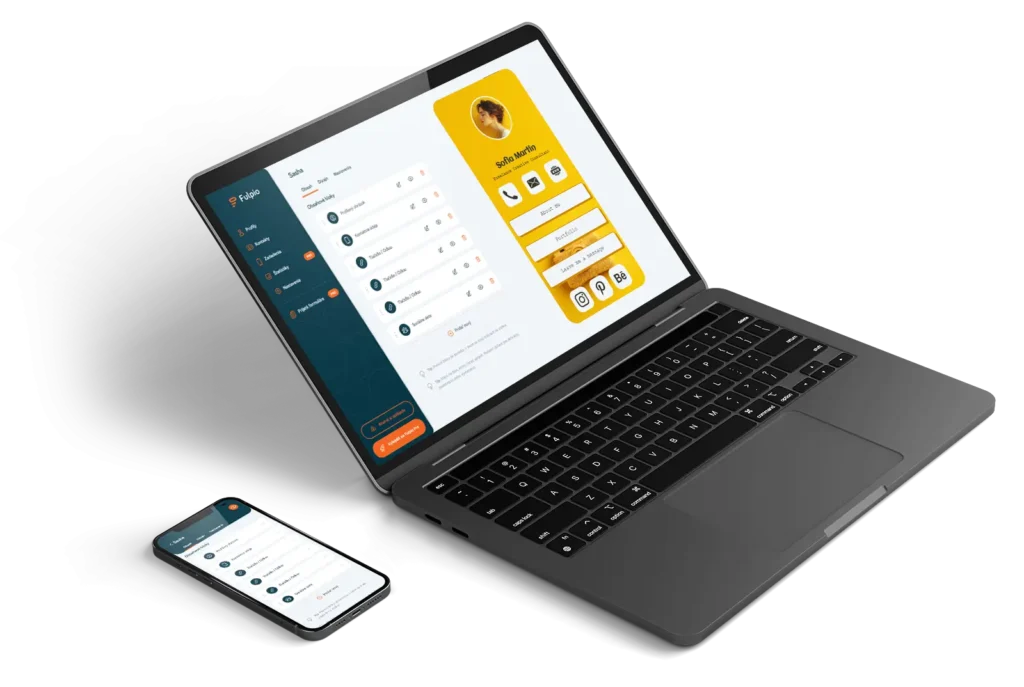
Fulpio takes digital business cards even further. It is not just a simple online business card, but a full digital profile that you can completely customize to suit yourself.
In one place, you can have contact details, links to social media, your website, videos, a gallery, or a contact collection form. Instead of one business card, you create a complete presentation that better reflects you and your brand.
One of the biggest advantages of the Fulpio digital business card is its customization. Unlike a classic business card, you can set the design, colors, buttons, and content exactly according to your needs.
This means your business card is no longer just a universal format, but a unique digital profile that represents your brand, style, and way of communication.
You can also connect a Fulpio digital business card with a physical NFC device. Just tap the NFC business card against the other person’s phone and your profile opens instantly.
This way of sharing is fast, simple, and modern. There is no need to rewrite information or search for contact details, which significantly improves both the first impression and the efficiency of networking.

A digital business card has one major advantage – it is always up to date. If you change any piece of information, it is updated immediately for everyone who has your profile saved.
You do not have to deal with reprinting business cards or outdated information. You have everything under control and always ready to share.
Fulpio is not just a replacement for a paper business card. It is a tool that expands your digital identity. You can create an email signature or a professional background for online meetings that strengthens your brand.
Everything is connected to one profile, which serves as a central place for your presentation.
Business cards have come a long way from handwritten cards to modern digital solutions. Every era brought new possibilities, but also new demands.
Today, it is no longer enough to have only basic contact details. You need to stand out, attract attention, and offer more than just a name and a phone number.
A digital business card is a natural step in the evolution of business cards. And Fulpio is the tool that allows you to use its full potential.
Create your digital business card for free. Forever.
And show the world more than just a contact.
